
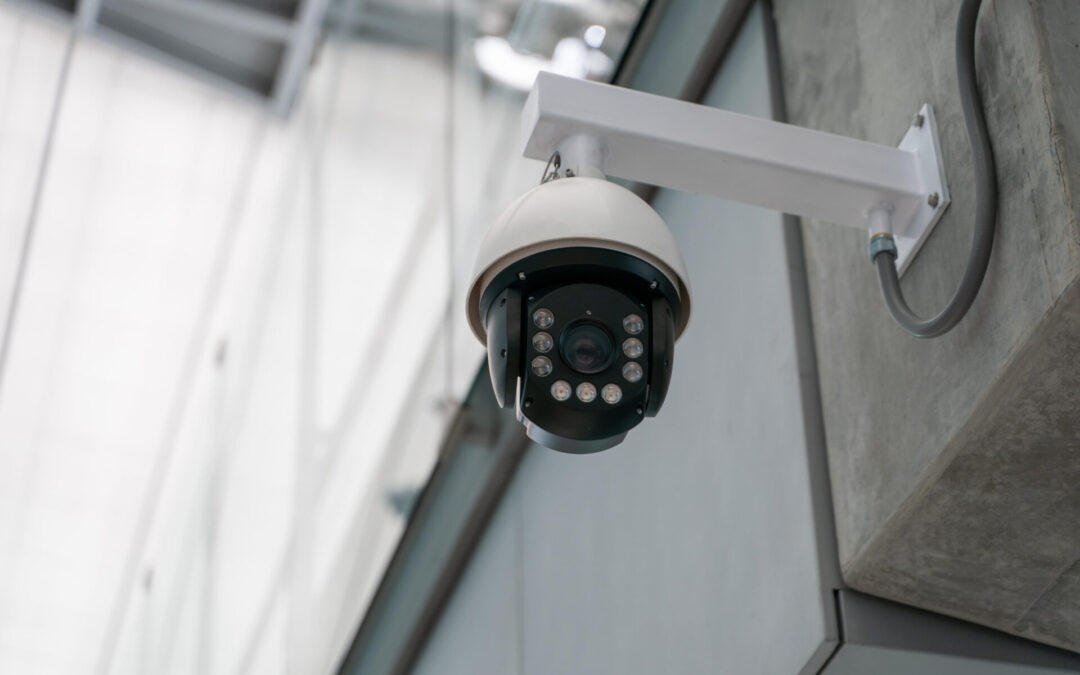
Retail security starts long before equipment installation. Store layout, customer movement, and visibility all influence results. Many retailers focus on camera numbers, yet placement creates real protection.
A well-planned system reduces theft, supports staff, and improves customer confidence. That planning matters even more for busy high-street stores. When retailers consider CCTV installation in Kent, layout awareness often determines success more than technology alone.
So, where should cameras go and why?
Let’s explain practical layout and placement tips that suit modern retail spaces.
Understanding Retail Layouts Before CCTV Installation
Every shop layout tells a different story. Narrow aisles, tall shelving, and promotional displays often block sightlines. Therefore, installers must study customer flow before fixing positions. Cameras should follow movement patterns, not fight them. A clear view of entrances, tills, and product hotspots always improves monitoring. Strategic planning ensures CCTV in Kent performs consistently during peak trading hours.
High-Risk Areas That Always Need Coverage
Certain zones attract risk due to activity levels and product value. Retailers should prioritise these areas during planning. Good coverage here prevents disputes and supports evidence collection. The main areas include:
- Main entrances and exits for facial clarity
- Till points and self-checkout zones
- High-value or frequently targeted displays
- Stockrooms and delivery access doors
Camera Height, Angles, and Field of View Explained
Camera position affects image quality more than resolution. Installers should mount cameras at heights that capture faces, not just movement. Angles should reduce glare and avoid obstructions. Wide-angle lenses suit open floors, while fixed lenses suit focused zones. Poor angles reduce usable footage quickly. Thoughtful placement improves reliability across changing light and footfall conditions.
Lighting Conditions and Their Impact on CCTV Performance
Retail lighting creates both opportunity and challenge. Bright displays attract customers, yet reflections affect cameras. Installers must account for this balance during placement.
Here are the most important lighting considerations:
- Avoiding direct sunlight near windows
- Managing reflections from glass cabinets
- Balancing brightness near entrances
- Using low-light capable cameras indoors
When installers address lighting early, CCTV in Kent delivers clearer images throughout the trading day.
Legal and Practical Placement Considerations for Retailers
Retailers must respect privacy while protecting premises. Cameras should never cover private areas such as toilets or staff changing rooms. Clear signage informs customers and supports compliance. Visible cameras also deter opportunistic theft effectively. Installers should align placement with GDPR guidance and retailer responsibilities.
Matching CCTV Layouts to Retail Size and Activity
Small shops require focused coverage, not cluttered views. Larger stores benefit from layered coverage across zones. Seasonal layout changes also affect camera relevance. Retailers should review placements after refits or promotional changes. For businesses planning CCTV installation in Kent, local experience often improves outcomes.
Effective CCTV relies on planning, not guesswork. When retailers invest time in placement strategy, systems perform better every day. If you need expert guidance on CCTV installation in Kent, Secure Tech Systems offers professional insight tailored to retail environments. Contact us now.